Cultural Exchange Program
Because community members everywhere aspire to greatness every day, Khuba’s Cultural Exchange Program provides opportunities to become great global community members.
Khuba International’s Cultural Exchange Program - Agroforestry-Forest Farm curriculum summary
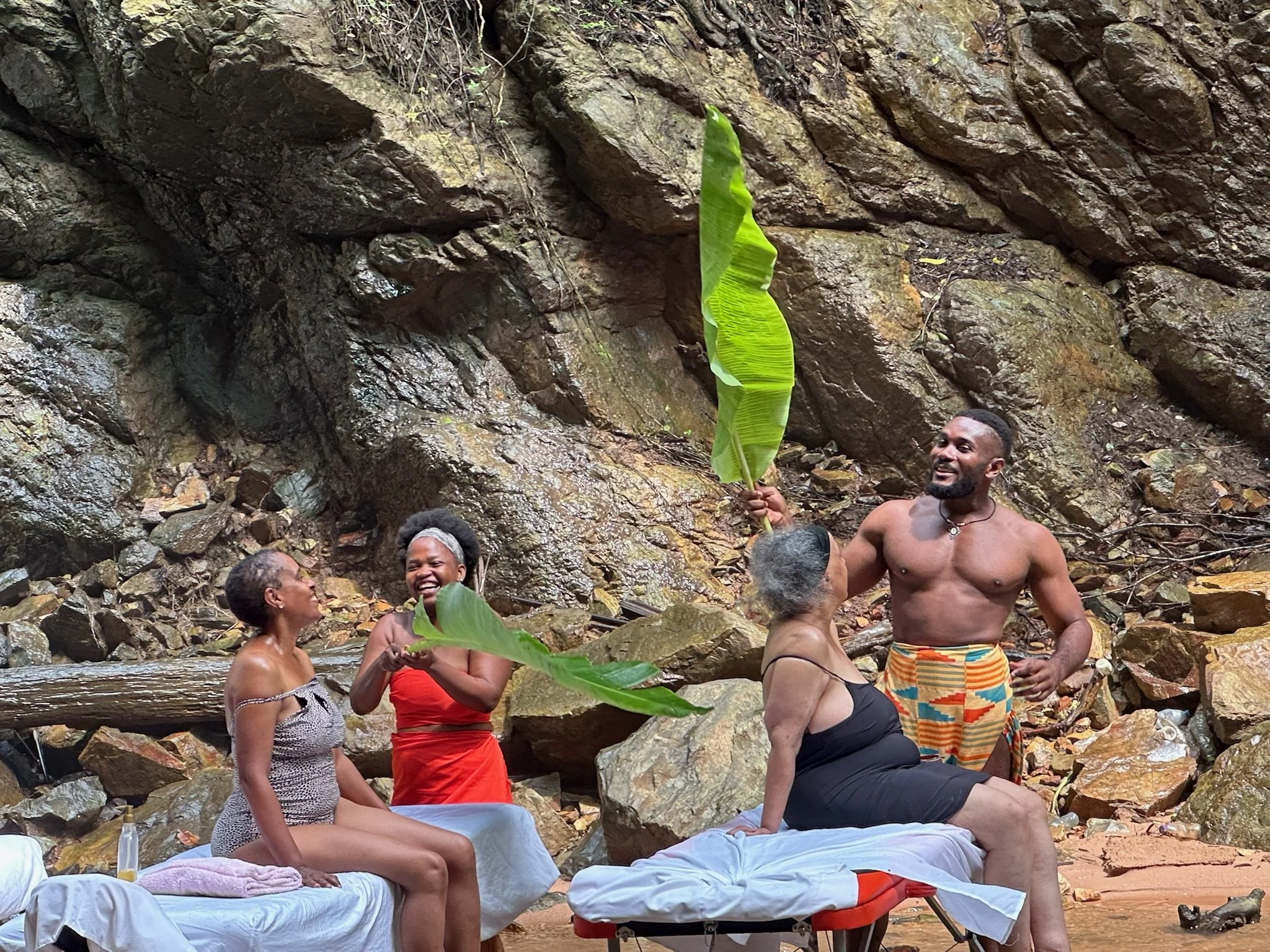
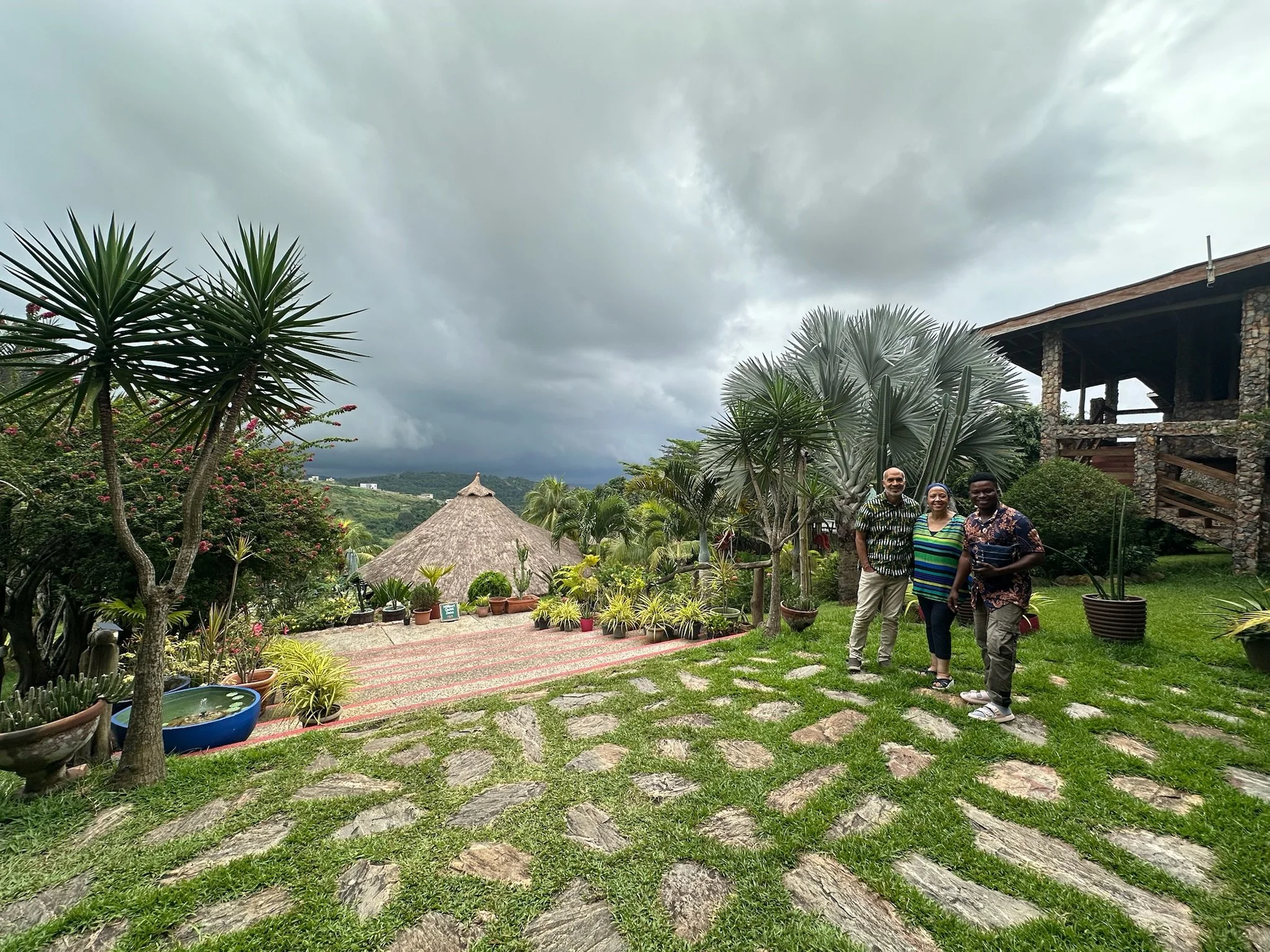
This program brings together youth and families from the U.S. and Ghana for the conservation of food forest landscapes, the development of sustainable livelihoods, and the provision of collaborative community education across African cultures.
Overview
Revenue Stacking and Legacy Building agroforestry landscapes for ecological and economic sustainability
Forest farm native species proliferation for climate mitigation and CO2 sequestration, soil building, air and water quality improvements
High value crop growing - fruit, nuts, mushrooms, herbs, medicine - for access to financially viable markets
Bird habitat encouragement— bird song from a diverse set of avian species promotes mindfulness leading to strong mental health practices and serves as a reminder to engage spiritual peace
On-farm air and water quality for physical health
Soil retention / erosion/runoff control for drought and flood mitigation and resilience in extreme weather
Dense leaf canopies relieve on-farm heat pressure. A climate solution, trees remove CO2. Their shade promotes healthy, pleasant, and safe on-farm work environments
3– A Mix of Agroforestry Praxes
Theory — Biodynamism as a lifestyle and livelihoods building means to access the spiritual, mental, physical, communal benefits of the Created world
Practice — At a scale and rate appropriate to the environment and its factors, grow, develop, and invest work energy and nutrients into a wide variety of beneficial plants, animals, humans, fungi to promote mutual benefit, as all organisms present function together holistically as a healthy, joyful, and complete entity.
4– Agroforestry Practices
● Food Forest
Fruit
Nuts
Mushrooms
Silvopasture - Bees (pollinators of flowering trees), Ruminants, Fowl – trees provide cover from heat stress, forage, and grubs supporting an egg market, fiber aggregation / wool shed, honey - consistent markets
Herbs & Medicinals
Riparian forest buffers – conserving mature / old forest growth along waterways. Making the watershed a visitor-friendly wildlife corridor that reduces erosion. These also serve as wind breaks.
● Research, Education, & Community Building
● Food Forest Ecotourism
5– Orchard
6– Fruit
7– Berries
8– Nuts
9– Orchard grazing - with much planning and tree protection
10-Create and maintain a plan to avoid tree damage and animal illness.
11– Mushrooms
12– Forest Carbon Market
13– Hunting and foraging
14– Biodiversity credits and habitat markets
15– Biochar
16– Specialty timber / thinning
Herb Hub –
Fiber Hub
17– Silvopasture
Silvopasture is agroforestry that intentionally brings together farm animals, trees, and pasture
into one system that the land steward(s) actively manage.
Silvopasture landscapes create opportunities for multiple income streams:
● Timber and forest products
○Saw timber
○Firewood
○Wood chips
○Biochar
● NFTPs
○Eggs
○Dairy
○Wool
○Breeding for sale
○Lamb and beef
○Orchard
■ Fruit and nut trees
■ Berry bush
●Ecosystem services
○Conservation easements
○Carbon credits
○Water quality programs
○Soil quality programs
●Forest ecotourism opportunities
○Camping/glamping
○Hunting
○Hiking/Biking/Tours
○Farm events
○U-pick
Orchard grazing
What is it?
An agroforestry system that intentionally brings together orchard trees and farm animals such as sheep and fowl.
18– Fowl
Chickens
Ducks
Turkeys
Guinea fowl
Pea fowl
Nutrient-rich soil building benefits
Egg market is stable
19– Ruminants –
Fiber
Invasive plant species management
Soil building - nutrient- rich top soil building
20– Pollinators
Honey bees – stable honey market
Tree species pollination – (examples: )
Native bees –
Tree species pollination – (examples: )
21– Forest herbs
22– medicinals
23– Food Forest Ecotourism and Culinary Cultural Education
Community Connection Opportunities – Mental Health
The curriculum covers food, plants, and forest landscapes. The curriculum covers Black History, Culture, Food Ways, Indigenous Land Sovereignty, Stewardship, Diaspora Human Rights, Culture, and how to build movements that achieve equitable land rights.
Our curriculum includes eating well with community members from across our region and nation. The curriculum covers getting our hands in the soil and witnessing the glorious miracles of plant lifecycling.
The program supports childrens love for animals and spending time with other children.
The curriculum covers making things with our hands, especially with paint, fiber, and textiles.
The curriculum covers reading and writing poetry, novels, and all kinds of stories. The curriculum covers making our own movies, philosophing, and talking.
24– Youth Biophilia Immersion
Evidence suggests that nature and therapy are beneficial for mental health and overalwell-being. Ecotherapy shows possibilities in helping youth in the areas of mental, emotional, developmental and social resources.
25 – Value Added Products
With agroforestry biodiversity practices comes a variety of yields at different times of the year.
This makes for a working commercial kitchen that, with planning, is in use throughout the year in
producing products throughout the year for income streams throughout the year.
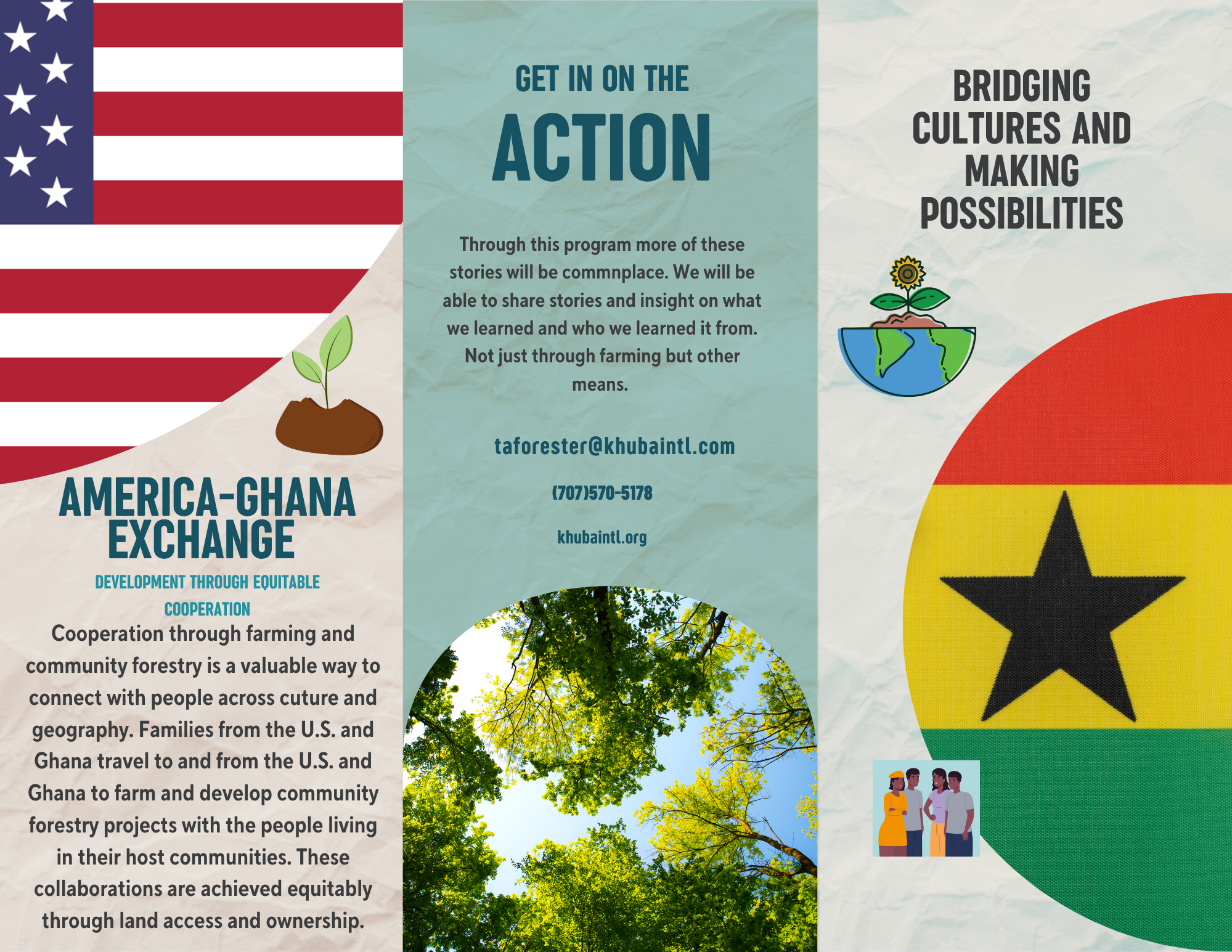
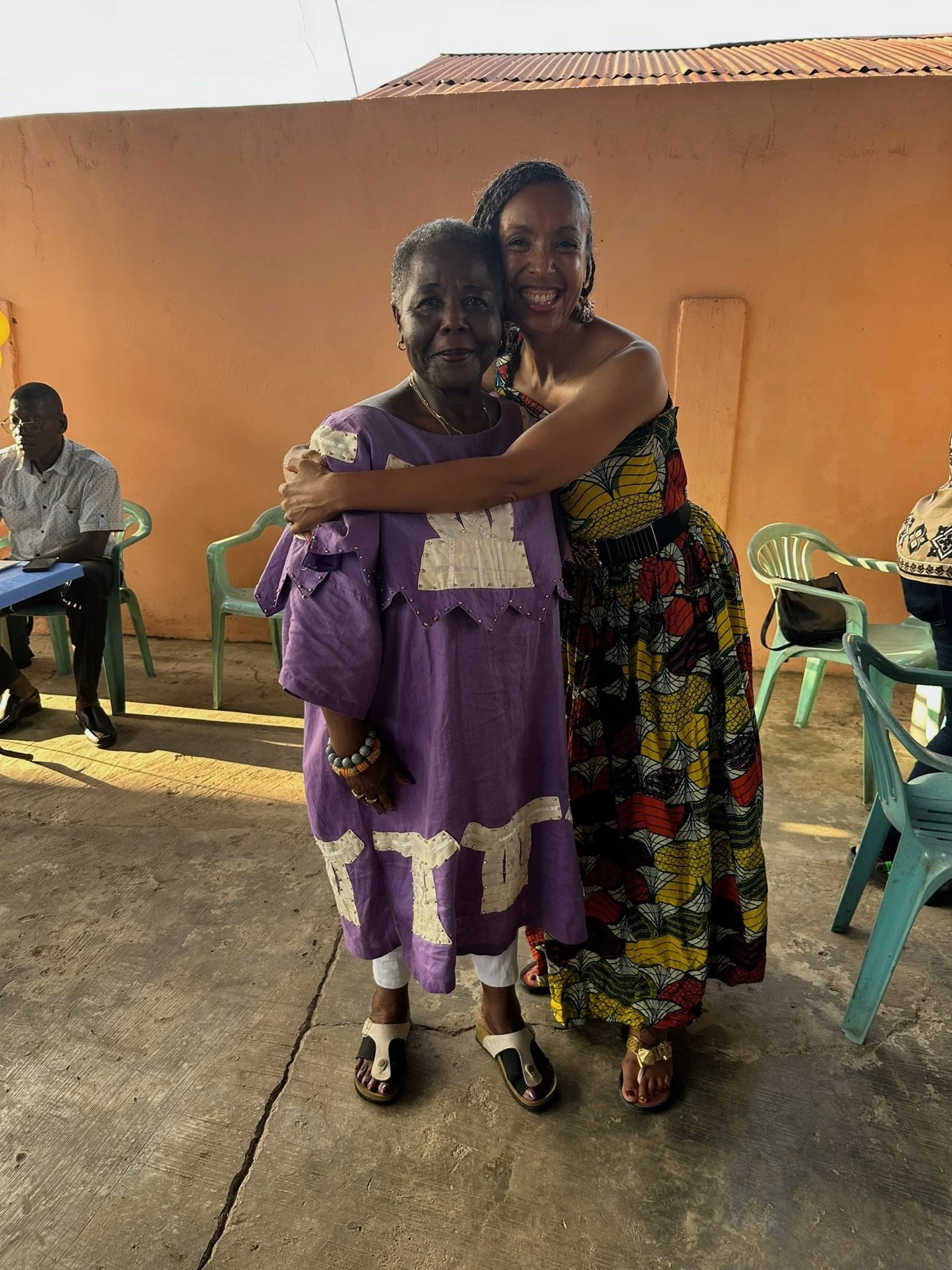
We create cultural exchange programs where members learn about diverse cultures around the world and share their own unique cultures with others.